Fair trade looks clean on a tag, but it starts as mud on boots. When you pick coffee beans delivery via a fair-trade lens, you are determining that reaches possess the benefit of your early morning practice. I spent years buying beginning great deals for cafes and tweaking subscription roasts for customers that desired their beans at the best height. The distinction in between a good fair-trade program and a performative one appears in your mug, your calendar, and the lasting potential customers of the ranch that grew it.
This is a guidebook to getting coffee beans delivered while maintaining your values, your sanity, and your crema intact. We will certainly chat standards, shipping, roast days, traceability, taste, and the awkward truth concerning cost. Consider this a barista's notebook, minus the latte-art bravado.
What "reasonable profession" actually purchases, besides a label
Fair trade is not a flavor. It is a floor, a set of minimums that keep prices from collapsing when the product market sneezes. Certification programs differ, but a lot of need a standard price, premiums for neighborhood projects, and guardrails on labor and environmental practices. The costs often funds washing station upgrades, agronomy training, soil renovations, and, in some co-ops, simple but crucial points like childcare during harvest.
The rub: that flooring rate generally runs through cooperatives. Several stellar whole lots come out of co-ops, particularly in Peru and parts of Ethiopia, where shared framework lifts top quality. Some micro-lot farmers, especially in Colombia or Kenya, pick direct profession instead, which can pay even higher than fair-trade minimums however without the certificate. If your top priority is validated minimums and collective bargaining, search for the fair-trade seal or a roaster that publishes the cooperative and costs. If your priority is optimal top quality with clear, above-market pay, a great direct profession partnership can satisfy or surpass fair-trade objectives. The very best roasters do both.
Here's the trick: qualification is a device, not a halo. Ask exactly how premiums are utilized, whether the same farm collaboration turns up time after time, and whether the roaster releases FOB (cost-free aboard) or farm-gate costs. Numbers defeated slogans.

Traceability looks boring theoretically, yet it makes like confidence
When I examine beans for a delivery program, I begin with traceability. That means names, not feelings. A deducible bag informs you, for instance, "Cajamarca, Peru, Cenfrocafe cooperative, washed procedure, Caturra and Typica, 1,700 to 1,900 meters, gathered May to August," along with a roast day. That is not fluff. Altitude and variety mean acidity and sweetness. Handling technique forecasts body and quality. Harvest window matters for quality across the year.
You might see vague language like "South American mix" with a generic fair-trade logo design. That can still be straightforward, especially for a home mix that stays constant. But if a roaster can call the co-op or a smallholder group and describe exactly how that blend changes seasonally, you are handling specialists, not marketers.
Subscriptions tempt brands to skate on details. Do not allow them. A great coffee beans delivery solution treats openness as a solution feature. The more a firm informs you, the most likely they have nothing to hide.
The logistics of flavor: roast day, degassing, and shipment timing
Coffee is agricultural, however delivering makes it feel like technology. Time the shipment incorrect and your elegant fair-trade Kenyan preferences like cardboard. Most coffees hit a pleasant area a couple of days after roast. Lighter roasts typically bloom from day 4 via day 14. Medium roasts radiate day 2 through day 10. Darker roasts scoot, peaking within a week. Coffee blends can maintain developing positively through weeks two and three.
When you get coffee beans delivered, align your shipment cadence with your usage. If you consume alcohol a 12-ounce bag every 10 to 12 days, established a biweekly delivery and begin developing on day 3 or 4. If you are stockpiling for a month, buy two smaller sized bags, not one huge one, and stagger arrivals. Oxygen is the adversary, even in one-way shutoff bags.

Shipping range matters. A roast dated Monday that ships from the roaster on Tuesday may not reach you up until Friday. That can be ideal. The beans degas en route and land all set to make. This is one debate for local roasters that roast-to-order. Big systems can ship older supply, especially on discount rate registrations. Ask your vendor how quickly they deliver post-roast. Thirty-six to 48 hours is affordable. Anything longer than a week post-roast at time of invoice is a red flag for many filter brews.
Certifications that in fact move the needle
Many tags orbit the fair-trade conversation. Each tackles a different item of the supply chain. It helps to know what does what so your "Gourmet Coffee Beans Delivery" behavior funds the right outcomes.
Fair Profession Certified collections a minimal rate and premiums transmitted with co-ops and audited teams. It improves standard stability yet does not ensure top quality. Rain forest Alliance focuses on environmental and social standards, with some market rewards however a various focus than strict price floors. Organic addresses chemical inputs and soil wellness. It does not state anything about pay, yet it tends to attract co-ops with solid agronomy programs.
Direct trade is a pledge, not a certification, so it relies on the roaster's honesty and released information. Liable roasters publish the farm or co-op, the yearly partnership length, the price paid above C-market, and cupping ratings. Some also listing shipping and crushing companions, which further sustains traceability.
If your objective is moral sourcing with minimal research, reasonable trade plus natural is a reliable mix, particularly in Peru, Mexico, and Honduras. If you have the patience to read records, try to find direct trade partners in Kenya, Ethiopia, and Colombia where costs and repeat purchasing increase above accreditation minimums.
The price math: why your bag costs what it does
Let's walk the numbers. A fair-trade minimum normally sits over the asset cost per pound, with an extra costs per pound, paid at the cooperative degree. From there, include milling, export, delivery, customizeds, toasting losses (10 to 16 percent mass loss during roast), bags, tags, labor, and products to your door. A roaster paying strong prices at origin and shipping newly baked coffee can not sustainably offer 12 ounces for a rock-bottom cost with totally free shipping unless quantity or top quality takes a hit.
In technique, a 12-ounce bag that sustains fair-trade premiums and excellent roast quality will rest between 15 and 24 dollars for blends. Single-origin fair-trade great deals run 18 to 28 dollars, with uncommon or competition-grade coffees dropping outside that variety. Registrations commonly cut a few dollars and lock in quality, which is where Coffee Beans Delivery begins to make economic sense. You are paying for consistency and alignment, not simply caffeine.
If you are chasing after "Gourmet Coffee Beans Delivery," anticipate greater rates when the ranch does even more job before export, like careful sorting or honey/natural processing. These techniques take some time on raised beds, add labor, and include danger if the weather turns.
The flavor profile of ethics
The coffee that examines the fair-trade box deserves to taste great. If it does not, somebody in the chain got careless. Here's what you can expect when principles and quality meet.
Peruvian fair-trade co-ops often deliver clean, mild mugs with brownish sugar sweet taste, citrus, and almond. They make flexible everyday drivers and take milk well in a French press. Mexican co-op coffees have boosted substantially because 2017, with more rock fruit and hazelnut in medium roasts. Ethiopian fair-trade great deals, specifically from Oromia and Sidama co-ops, sing with flower aromatics, bergamot, and peach when roasted light to medium. They are very easy to mishandle in brew if your water is off, but amazing when you nail it. A Kenyan sourced through a clear exporter with premiums paid over public auction rates will shine with blackcurrant, tomato leaf, and a phosphoric zing that punctures milk.
If you tail off on sweet taste after day 7, the bag probably sat too long in a stockroom. If the coffee preferences papery regardless of what you do, check the roast day and take into consideration a much shorter delivery loop.
How to pick a distribution companion without driving yourself mad
You can invest a week comparing labels and end up with something stagnant. Much better to develop a straightforward decision tree. Ask 3 inquiries: who earned money, exactly how fresh is this, and does it fit my mixture method.
For pour-over followers, a roaster that concentrates on washed single origins with clear roast days is a winner. Try to find fair-trade or straight profession transparency and sampling notes that discuss fruit and flower rather than common "bold." For coffee, look for blends that publish parts and revitalize seasonally. Moral coffee exists, and it should stand up in milk without tasting like ash. For batch mixture at home, pick a crowd-pleasing medium roast from a co-op you can call. Your palate will thank you at 6 a.m.
Shipping-wise, the wonderful place is roast-to-ship in 24 to two days. Subscription services that consolidate orders and roast on set days tend to hit this home window. If you are trying to get coffee beans delivered to an office, consider whole-bean just, a consistent mix, and a two-week tempo with overlapping shipments so you never offer determined staffers the dregs of a month-old bag.
A brief story regarding doing it wrong so you do not have to
I when authorized a coffee shop account up for a bargain membership that promised fairly sourced coffee on a 30-day cycle. The initial month was great. The 2nd month arrived a week late after sitting in a stockroom throughout a warm front. The crema fell down, and milk beverages tasted like hot paper. The manager blamed the grinder. I blamed myself. We switched over to a local roaster that shipped two times a month, very same day as roast, from a co-op collaboration in Peru. The espresso rested two days in transit and tasted precisely as dialed. The price per bag rose 2 bucks. Waste went down, staff time spent going after extraction concerns decreased, and customer issues went away. That two dollar delta was the least expensive fix on the list.
Brewing for justness: water, work, and expectation
Ethics can not take care of tough water or a dull burr set. If you want your Coffee Beans Delivery to sing, handle water first. A lot of cities give water with way too much hardness for delicate coffees, which mutes level of acidity and makes Ethiopian florals really feel reluctant. If you can not install purification, make use of a simple dish with pure water and mineral packages to target 60 to 90 ppm hardness and about 40 ppm alkalinity. It sounds picky. It is also the most inexpensive way to make fair-trade lots taste like they should.
Grind next. For pour-over, a regular, unimodal work from an excellent burr grinder will certainly reduce resentment and muddy mugs. If you just possess a blade mill, go French press, where flavor clearness depends much less on consistent grind. For espresso, offer light roasts time. They can require tighter work and a little higher temperature level. Many fair-trade single origins excel as spro as soon as you provide four to 7 days post-roast.
Expectation issues. A Peruvian co-op tool roast is not attempting to be a blueberry bomb. It wants to be sugar and citrus with a tranquil surface. Allow it. Conserve the fireworks for that all-natural process Yirgacheffe, and then be ready for some batch-to-batch variant. Smallholder lots tell stories in a human scale. Perfection is not the point.
When ease fulfills principles: subscription layout tips
If you want to Get Coffee Beans Delivered automatically and still feel in control, established your membership like a tactical pantry.
- Choose two profiles you enjoy, not 5 you tolerate. Run them in alternating distributions, so your taste stays involved without whiplash. Pick a routine that fits your usage, after that add a "barrier bag" option that ships as needed for visitors or take a trip weeks. Lock in whole-bean only, after that maintain an extra burr established on hand. Plain burrs lose cash and effort. Set shipping to midweek to avoid weekend break storehouse snoozes. Coffee despises warmth, vehicles, and time. Create a straightforward tasting visit your phone with three areas: roast day, mixture approach, and a one-line taste impact. Patterns will certainly leap out by month two.
This is one of 2 listings in this write-up, and it makes its keep. A minor routine stops stale coffee from becoming an individuality trait.
Edge instances that separate great programs from great ones
Seasonal spaces happen. A co-op's harvest may run late. A container can obtain delayed. Great roasters manage gaps transparently and exchange in whole lots with comparable sampling accounts and comparable honest requirements. If your shipment unexpectedly tastes darker and the sampling card https://telegra.ph/Coffee-Beans-Delivered-Monthly-Set-It-and-Sip-It-11-13 goes obscure, ask concerns. You are enabled to have preferences.
Decaf deserves fairness also. Seek Swiss Water or Ethyl Acetate decaf from co-ops you acknowledge. The old credibility of decaf as a dusty afterthought is dated. A well-processed Peruvian decaf can taste like toasted sugar and dried apple, and it will not maintain you up at midnight.
If you live much from any roaster, consider a shipment tempo that accounts for extra transit time. Ask the firm to ship same day as roast and request a roast design suited to your routine. For example, a light roast holds peak taste longer than a smoky dark roast. Time plus temperature level is the bad guy here.
What "exquisite" really indicates when it appears at your door
"Gourmet Coffee Beans Delivery" is a phrase that gets abused. Let's provide it teeth. Premium in coffee must mean several points at the same time: deducible beginning, cautious processing, roast matched to the whole lot, and tight logistics. On the sensory side, it must mean a layered mug. Not louder, however a lot more detailed. Consider a Kenyan with blackcurrant high notes, cane sugar midrange, and a tea-like coating that leaves a clean palate. Or an Ethiopian with jasmine on the nose, lemon and peach on the tongue, and a honeyed appearance that lingers. Premium should additionally imply resilience in mixture: the coffee should taste great throughout a reasonable variety of work and temperature, not simply in the roaster's lab.
None of that shows up amazingly since a check out web page says "costs." You get there by picking roasters who publish data, who keep lasting farm relationships, and that roast to highlight, not hide.
Practical sourcing instances across regions
If you want an easy on-ramp to honest shipments, start with Peru. The cooperative version is strong, organic prevails, and the flavor profile fits daily drinking. Cajamarca and San Ignacio departments routinely produce fair-trade whole lots that taste like brown sugar and orange enthusiasm, perfect for batch mixture. Mexico supplies terrific value also, specifically from Chiapas and Oaxaca co-ops where altitude and upgraded mills have raised mug high quality. Anticipate nuts, chocolate, and refined fruit.
Ethiopia, especially from Sidama and Yirgacheffe, has plenty of fair-trade co-ops whose washed coffees make fragile, flower mugs. These incentive mindful brewing and cleaner water. Kenya does much of its organization via public auctions and direct partnerships instead of fair-trade qualification, so try to find roasters that release rates and participating cultures. You will pay a bit extra and you will taste where the cash went.
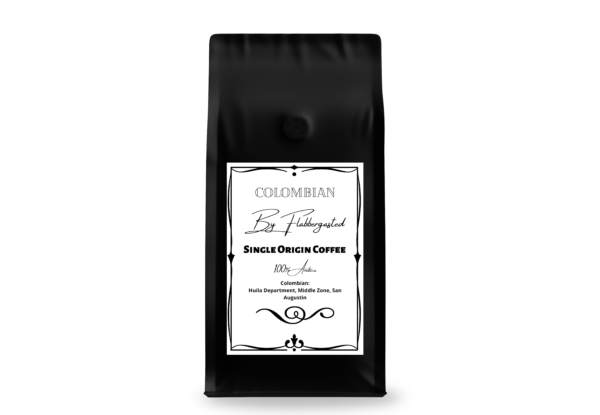
Colombia inhabits a room where both fair-trade and direct trade luster. Regional whole lots from Huila or Nariño can punch method over their cost with panela sweetness and citrus snap. If a roaster notes farm names and repeats them every year, that security is the genuine signal of fairness.
Avoiding usual traps in Coffee Beans Delivery
Marketing overload can hide weak beans. Buzzwords pile up, your cart loads, and the cup fails. Three traps reoccur. Initially, stagnant "subscribe and save" stocks that revolve supply from a storehouse as opposed to a roastery schedule. Second, common blends hiding poor origins behind heavy roast. Third, token fair-trade offerings kept in a separate classification, while the front runner coffees obtain the interest and freshness.
If you presume any of this, test the supplier. Order one-off and membership versions of the exact same bag a week apart. Compare roast days. If the membership bag is older, go on. If the firm will not share partner names or costs, presume the minimum and change expectations.
On the flip side, do not fall for perfectionism that paralyzes you. A fair-trade blend from a decent roaster, shipped within a couple of days of roast, brewed with sensible water and a qualified mill, will surpass practically anything you panic-buy at the supermarket. Coffee rewards stable practices greater than heroics.
A silent merit: acquiring the same coffee on repeat
Variety is enjoyable, yet farmers do not live on uniqueness. When you discover a fair-trade whole lot or co-op blend you love, persevere across the harvest period. Consistent demand offers producers utilize. They can invest in elevated beds, build shade management plans, or work with permanent pickers rather than seasonal scrambles. Your repeating order, increased by a few hundred other homes, stabilizes a supply chain more effectively than any kind of single splashy purchase.
This is not an argument versus expedition. Revolve a 2nd bag via your prepare for brand-new areas or refining methods. Keep an online that pays a person's rent. That is actual fairness.
Shipping, storage, and small acts that maintain flavor alive
Beans despise warm, light, and oxygen. Request for delivery that prevents weekend layovers in hot storehouses. When your coffee shows up, keep it in the initial valve bag, secured, at space temperature, away from sunshine. Withstand cold unless you intend to save for more than a month and can section single dosages in airtight containers. Frozen beans act in a different way in grinders, in some cases for the better, yet they make complex everyday routines. If you do ice up, stay clear of refreezing. Calculated discipline defeats hero tricks.
When you make, consider your coffee and water. It is not fussy, it is merciful. Beginning around a 1:16 ratio for pour-over, 1:15 for immersion, and adjust in little steps. Honest sourcing does not survive sloppy brewing.
Bringing it with each other without the sermon
Ethical coffee is much less around moral purity and more concerning good systems. Pay relatively, release information, roast and ship on a sane tempo, and treat brewing like cooking. Do that and your Coffee Beans Delivered will certainly taste far better, and the people at beginning will certainly see real benefits. Taste becomes the invoice for doing it right.
If you desire the quickest course to much better beans: choose a roaster that shows their mathematics, routine distributions to land three to 5 days post-roast, pick an account that fits your brew approach, and maintain notes. As the months roll by, you will learn your taste, you will waste much less, and your registration will certainly feel like a peaceful deal between your kitchen and a hillside you may never ever visit, but still support.
Fair profession started as a guardrail. With thoughtful delivery and developing, it comes to be a connection. That is the cup worth chasing.